From the outside, it can be difficult to understand why product changes in P&C insurance often take so long, as the idea of adjusting a rating variable, introducing a new coverage option, or refining underwriting rules can appear relatively straightforward; however, inside an insurance organization these types of initiatives frequently unfold over years/months rather than weeks/days The default answer is something like “the regulatory process is brutal these days” or “our backlog in IT is massive”.
That said, much of the timeline is shaped by the human complexity of aligning the many stakeholders who influence an insurance product and product management sits at the center of this process.
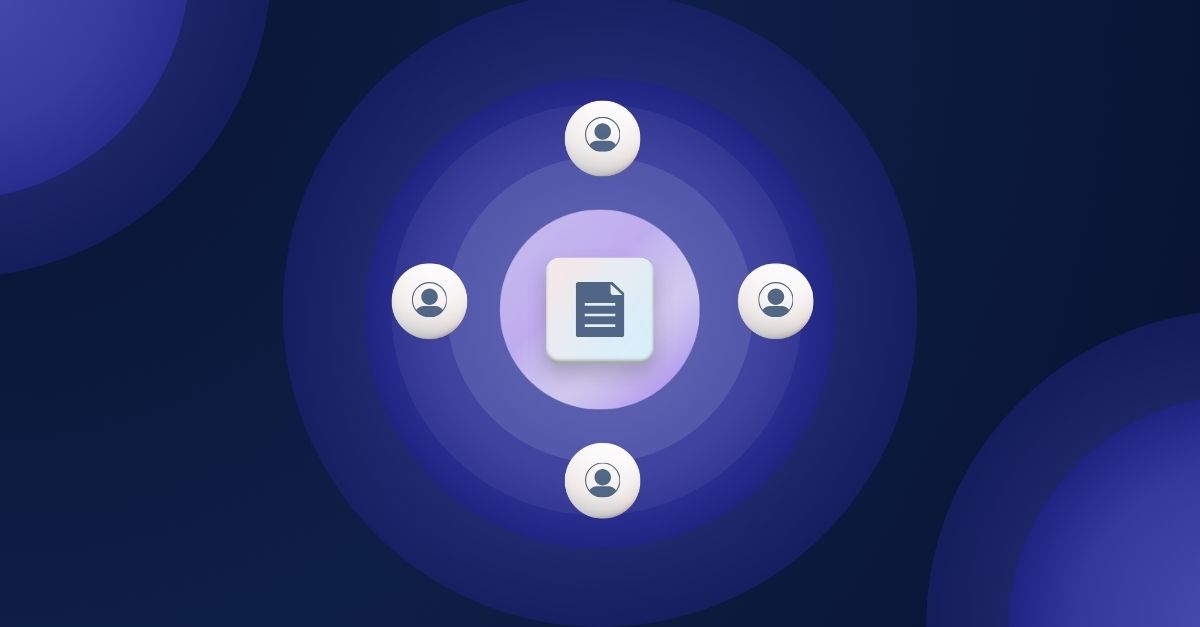
In most P&C insurers, a product manager rarely has direct authority over the teams that shape the final product. Instead, the role involves coordinating expertise across actuarial, underwriting, compliance, technology, claims, and distribution. Each group plays a critical role in product development—but each also views the product through a different lens.
The challenge is not gathering input. The challenge is building alignment.
Different Priorities, Shared Responsibility
Actuarial teams typically begin the conversation with data, and their analysis focuses on loss trends, rate adequacy, segmentation, and portfolio performance. When they identify the need for a rate change or a modification to a rating plan, the recommendation is grounded in statistical evidence.
Underwriters often approach the same issue from a practical standpoint. Underwriters tend to think about the risks that they evaluate every day, how guidelines function in real-world situations, and how agents will react to changes. While a technically-sound pricing adjustment might model well, it may raise operational questions about how easily it can be applied in practice.
Technology teams then introduce yet a third dimension to the equation. Every change to a product must ultimately be reflected across the various systems – rating engines, policy administration, billing, claims, agent portals, etc. What appears to be a simple change to a rating factor may involve complex system logic, testing requirements, and development prioritization.
Compliance and legal teams add yet another layer, as Insurance products exist in a tightly regulated environment, where changes to rates, rules, or forms must often be filed with state regulators. Their focus is ensuring that proposed changes are clearly supported, defensible, and structured in a way that each state regulator will approve.
Finally, claims teams provide insight from the real-world experience of losses. They often highlight issues that only emerge when policy language is tested in an actual claim scenario. While each perspective is incredibly valid and incredibly necessary, aligning them can be incredibly time-consuming.
Why Alignment Extends Product Cycles
What makes the process complex is not simply the number of stakeholders involved, it is the fact that each group is optimizing for a different outcome resulting in product managers spending a significant portion of their time translating between these perspectives.
Conversations often move in cycles…from analysis, to discussion, to adjustment, and back to reevaluation…as each group contributes its expertise and raises considerations others may not have initially anticipated. What may appear externally as slow progress is often the result of thoughtful internal dialogue.
The New Reality of Insurance Product Development
Insurance products are long-lived commitments where a policy written today may generate claims years into the future. As a result, insurers tend to approach product changes with careful deliberation. But what if such deliberation could be fostered both efficiently and expeditiously?
Rather than forcing product teams to search across disconnected systems, collaboration could be facilitated through a unified intelligence layer. Product strategy and management decisions could be taken more dynamically relative to real-time market changes.
The new reality for product managers is one where collaboration flows seamlessly across teams, with shared insights enabling faster, more confident decisions. Stakeholders operate from a common understanding, reducing misalignment and accelerating consensus.
This transforms product development into a shorter, more efficient cycle, allowing insurers to respond to market needs with agility and precision.